
Newsletters
Selected excerpts from past newsletters, with some editing for clarity and relevance.
Upcoming Parent Talks: Sunday, November 22nd, 2026, 12-2 pm
I’m very excited for our first parent talks of the season.
Thank you, CambridgeSide, for hosting us!
We have a fantastic lineup:
Trina Lorch:
Since becoming a parent, I’ve become much more aware of how often heavy metals and other contaminants turn up in our food, water, and everyday products. Children are especially vulnerable: they eat more relative to their body weight, and their brains and bodies are still developing. I wanted real data to guide what I fed my daughter, and I wanted to help other parents do the same.
So I built a web app that lets you search foods and brands to see what testing has found for lead, mercury, cadmium, arsenic and other contaminants. It works for meal planning too. Enter the foods you plan to serve, and it adds up the estimated exposure and compares it against US federal, state and EU benchmarks, so you can see when levels start to become concerning. In the long run, I hope greater awareness puts real pressure on companies to clean up their supply chains. For now, my goal is simple: help parents make the most informed choices they can for their families.
Ying Dong:
Three months ago, I launched a newsletter to help families new to Cambridge. Each year, about a thousand children move to the city with their families. Finding ways to help them settle in is often a top priority for parents, but knowing where to start can be challenging. The newsletter shares practical tips, local resources, and neighborhood favorites to make the transition a little easier.
On a different project: My daughter inspired me to build Ficta, an app where kids play word games and create short stories with AI. She and her friends can spend an hour exploring words and figuring out the next sentence. It's fun and playful, but educational too. I'll share some of my learnings from building Ficta.
Alex Gaman & Lara Greenberg:
I’m Alex, a software engineer, and my wife Lara is a UX designer. We have a 3 year old daughter and another baby on the way.
We built a tool to help families arrange outings with friends. It grew from the everyday parent question of “Who’s free?” and from the particular joy of running into friends at the playground.
Juraj Zamborský:
Moving to a buzzing new city with the whole family is a lot to juggle. So I built a family app for local events, school drop-offs and pick-ups, trip planning, and a voice-to-text daily journal.
I'll also share how I use vibe coding to build educational games at my own game studio. The games let you experience history instead of just reading about it.
As always, family members are welcome to tag along.
A light lunch will be served. You are welcome to bring your own lunch if you prefer.
Donations to help cover costs are appreciated but not required. Suggested amount: $8/person or $15/family.
House Party! 💃 🕺 Saturday, December 5th, 2026, 4-6:30 pm
Ying is generously inviting all of us to gather at her house near Porter Square. If you’ve ever felt like there’s never enough time during the regular meetups to have deeper conversations with other Nerdy Parents, this is a great opportunity to hang out and get to know each other better in a relaxed way.
Whole families are welcome. Don’t be shy if you’ve been in the group a while and haven’t come to an event yet, or haven’t come in a long time. We’d love to see you!
At our informal lunch last month, Mohamed suggested that we celebrate Nerdy Parents’ first birthday. Oddly, I had never thought of it. So, thank you for the great idea, Mohamed!
tl;dr: there will be a birthday cake!

Yum. This image is for illustration purposes only. FYI, the Nerdy Parents Club of Cambridge was born on September 4, 2025 (first flyer), or October 7, 2025 (first social), or November 9, 2025 (first real meetup), depending on what “being born” means.
Community Shares
Between newsletters and meetups, many Nerdy Parents tell me about eye-opening facts, news, projects, talks, books, and communities. Here are some of them.
Yin told me about the Army Educational Outreach Program (AEOP). Yin lives in New Jersey but is happy to chat with anyone who is interested in learning more.
They have a lot of competitions and other scholarship opportunities for students 6-12th grades. I was given a free membership to the National Science Teaching Association for mentoring a team (my daughter and two school friends) last year. They actually won $500 each in Treasury bonds for designing a hand cranked generator.
AEOP also has free science classes in the summer. Here's the link for the ones in MA.
Please let me know if you have any questions regarding these programs. I feel like it would be a great opportunity for many of the families in Nerdy Parents.
Ying shared:
- This awesome physics textbook concept.
- A volunteer opportunity at Cambridge Day:
Out of a conversation with the editor of Cambridge Day, one idea was to improve their events page. The existing content-scraping process could be expanded and its bugs fixed. The current curation effort is also quite limited and could really benefit from the help of one or more volunteers.
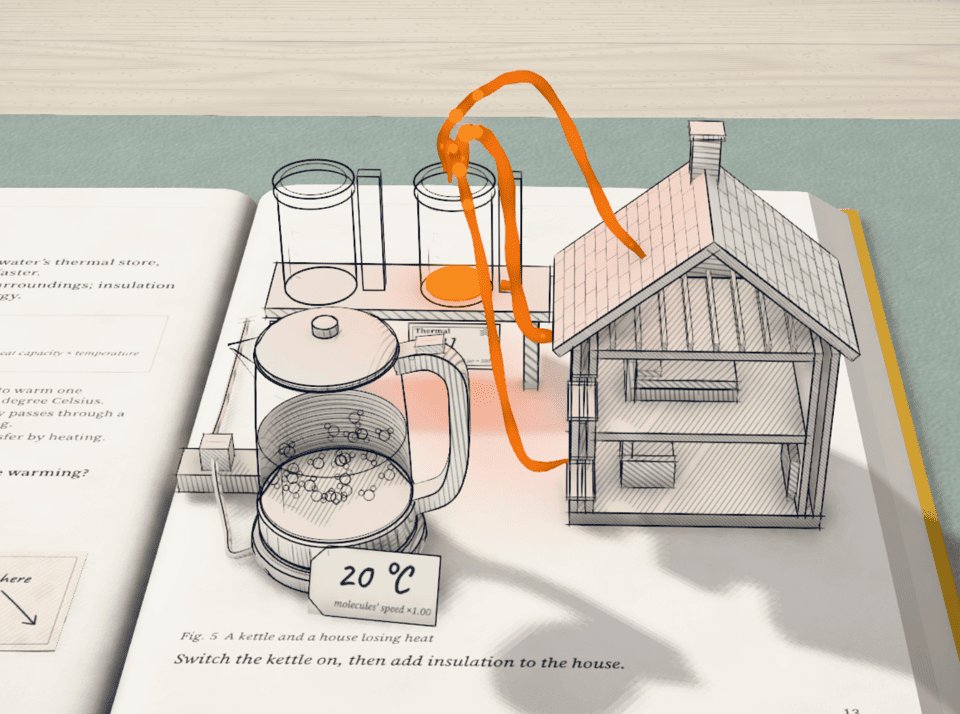
A chapter about heating. Rongcheng worked on a very cool civic project, Snaps Map, this past summer. It puts more than a decade of reader-submitted Mission Local photos on a map of San Francisco. Do you wish something like this existed in Cambridge? Keep on reading…
Sonia shared about Fab Hub Kendall, the flagship Fab Lab of the Fab Foundation, a nonprofit that started at MIT’s Center for Bits and Atoms in 2009 and now supports more than 2,700 Fab Labs worldwide. It provides digital fabrication education and equipment to K–12 schools, universities, educators, students, nonprofits, entrepreneurs, companies, and families. It also offers free public-access hours, after-school programs, and projects with local organizations. Would you be interested in going on a private tour of Fab Hub with fellow Nerdy Parents? If so, please put your name down. When we get enough signups, Sonia and I will arrange one. Note that the tour would be for adults only.
Jeff told me about MIT Professor Sherry Turkle’s new book Artificial Intimacy: Who We Become When We Talk to Machines. Prof. Turkle has strong views on what is and isn’t acceptable when it comes to exposing children to AI, so parents may find this book worth reading. Here’s a blurb from the MIT Media Lab book launch event:
It is always there for you. It always listens. It never asks for anything in return. Chatbots now offer themselves as our best friends, lovers, and therapists. Over 70% of teens and nearly a third of US adults already turn to AI for companionship and emotional support, and many prefer it to human relationships. What happens when we start to believe that pretend empathy is empathy enough?
Nate shared:
- Can We Avoid AI Catastrophe? A video recording of a thought-provoking talk given at the Cambridge Main Library last week by John-Clark Levin, Head of Research at Kurzweil Technologies, NYT crossword puzzle constructor, and former president of the Cambridge University Magic Society. Levin has also advised Pope Leo XIV on AI.
- How do AI agents easily come up with a shared secret language, even when mostly isolated from each other?
- Nathan Schneider, professor of media studies at the University of Colorado Boulder, proposes a model for running open-weight AI as shared inference via a cooperative among universities. Given our ongoing discussion about using AI in ways that serve humanity’s best interests (recall Wes’s essay), can a similar model be implemented, say, for our Nerdy Parents community or for municipalities like the City of Cambridge?
- Compute Community, a similar effort emerging within the Sundai community.
Finally, I’m sharing:
- Instinct, a personal assistant competing with (and beating?) Dot and Muse. Unlike those two, it’s built not by a Silicon Valley behemoth, but by a 23-year-old Northeastern dropout, Noah Shinn.
- OccupySaaS. At first, projects like this give me a feel-good democratic vibe. But do they actually end up helping to consolidate power in Big AI’s hands?
- The Ember List, a new-ish event aggregator for families, started by a tech dad in the Bay Area.
- The Cambridge Turkey Watch, which is similar to Snaps Map but more, err… clucky. Here’s the press release, and here’s my contribution from an afternoon trip to North Cambridge last week:
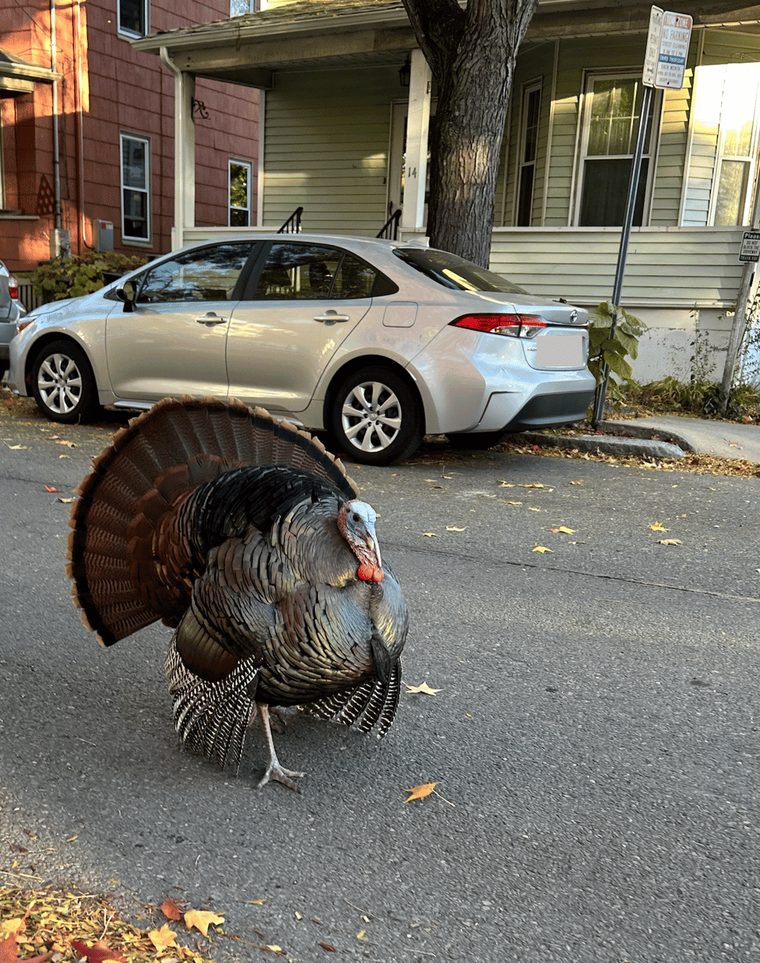
Bobo the Turkey ponders Thanksgiving. 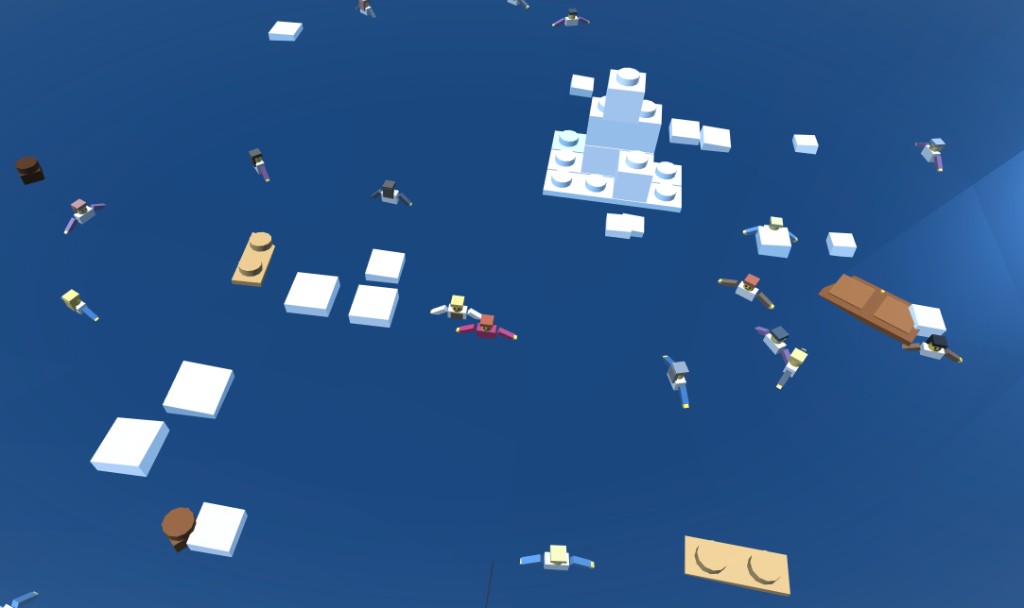
Juraj and his five-year-old son built a game that lets you captain the Titanic while trying to avoid icebergs; when you inevitably hit one, you turn into Jack, and your new goal is to save Rose. It doesn’t matter, though, because everyone dies after a minute. Season Two: Growing up
First, a quick recap: Season One ran from October 2025 to May 2026. In that period, we organized our events almost exclusively around building apps for our own families. We gave project talks to each other, exchanged feedback, and most importantly, formed friendships with other parents who understand what it’s like to be a nerd and also a parent, and who, for the most part, live within a 30-minute radius.
During our break between Seasons One and Two, I reflected on the things I’d learned from listening to many of the parents in our community. Three things struck me:
1. We are about more than building with AI.
Even though we’re brought together by a common interest in DIY app-building, I’ve come to appreciate that our nerdiness runs deeper than that. If AI disappeared tomorrow, our curiosity and love of building would still be there. Besides code, our media of self-expression are diverse: words, shapes, narratives, processes, game mechanics, flower seeds, musical notes, spices, and human connections.
2. We are family-friendly but parent-first.
As parents, we are accustomed to being extras in our kids’ movies. We sit patiently, sometimes invisibly, as spectators at birthday parties, swim lessons, and music rehearsals. Within the Nerdy Parents, the script is flipped: We get to self-actualize as creative adults, and in doing so expand the ways in which we serve as role models for our kids.
3. We care about connecting and serving.
So many of us here occupy inspiring roles in the larger community. I’m thinking of Amira, who’s on the board of Cambridge Day, and of Ying, who started a newsletter to help new families make Cambridge their home. Ying is also looking into reviving the Imagine Playspace so kids can once again gather indoors when the weather gets too harsh. I’m thinking of Robin, who’s a pioneer in youth voting rights, and of Jeff, who leads SHADE, which helps teens build their own public spaces. I could go on. There are many more mind-blowing examples of civic leadership right here in our community.
So, what does this all mean?
It means that in Season Two, we can be a broader, deeper version of who we were last season.
I’d like to invite each of you to think about what change you’re passionate about and commit to making it happen with the Nerdy Parents. Whatever your passion is, it’s quite likely that you’ll find supporters within this community. We are united by the nerd DNA after all.
As a side effect, your kids will watch you and get to know you beyond the title ‘mom’ or ‘dad.’
Recap of “Build a video game with your child” workshop
In the spirit of trying new things this season, we had our very first game-building workshop for parent-child teams, run by Nate and Debo. It was a blast!
We were so fortunate to have Joseph Hill join us as a surprise mentor. Joseph is the co-founder of Xogot, one of the main tools that make game building so accessible.
Check out Debo’s wonderful recap here.
Nate has also kindly shared his slides, which showcase an amazing case study of his son going from 0 to 19 games in 8 months. Many of the games Nate’s son came up with made me laugh out loud because of how original they are!
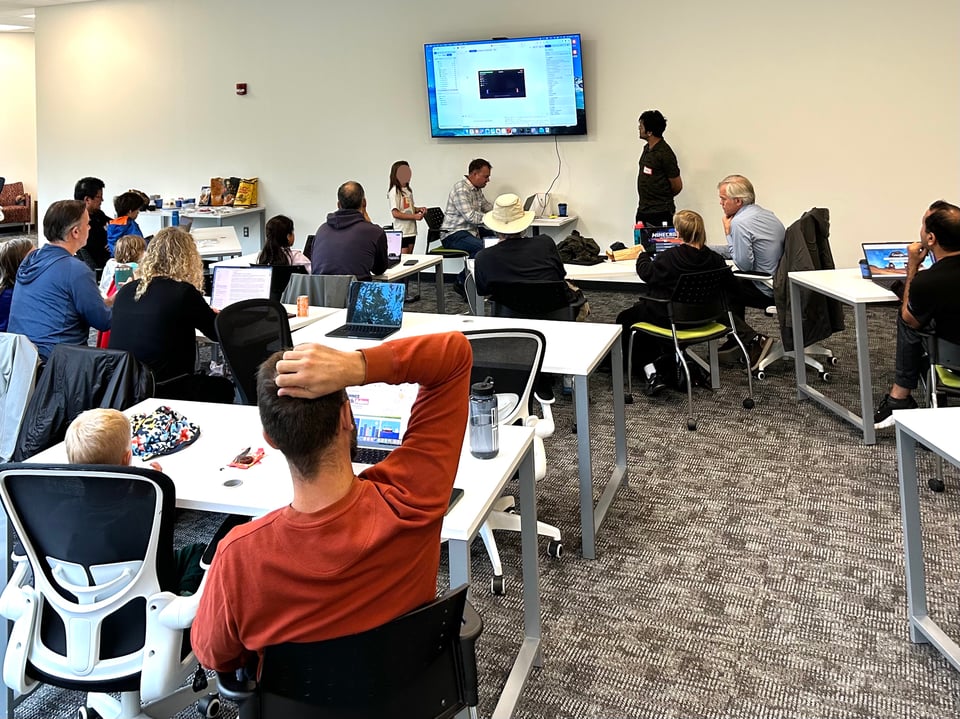
Parent-child teams watching a demo intently. 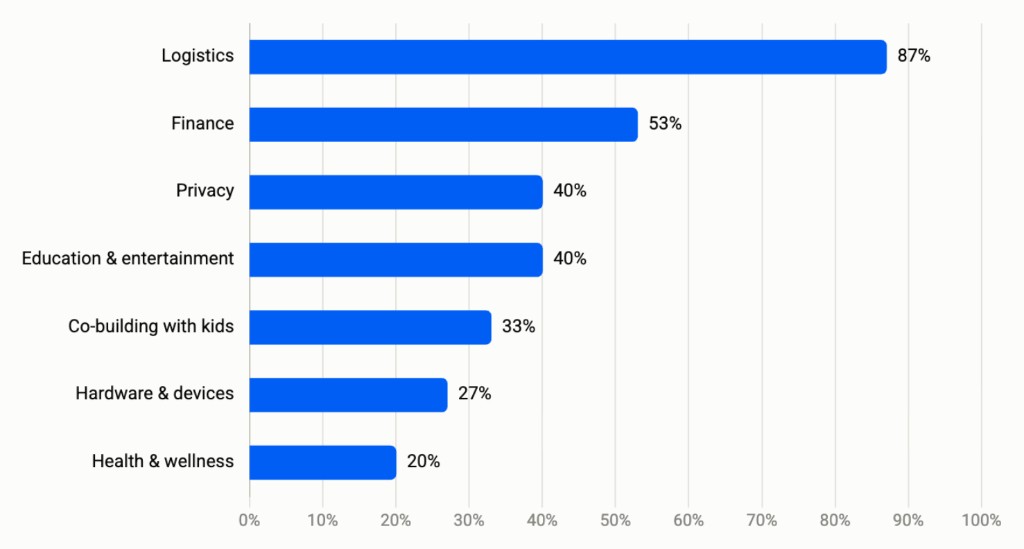
Family-tech topics most in demand (share of respondents who selected each in their top three). Thank you to everyone who completed the end-of-season survey. I'd like to share the results with you here; they are organized into six topics:
- what parents appreciate most about NPCC,
- which family-tech topics are most in demand,
- how the newsletter is doing,
- why parents come to the meetups and whether the format works,
- how NPCC is growing through referrals, and
- what people would like to see next season.
Since some of you may not have seen the actual survey questions, I've included the relevant questions in each section.
Here we go:
1. What do parents appreciate most about NPCC?
Q: What did you appreciate the most about NPCC this past season?
Most responses pointed to the people and their projects. About half of the comments mentioned community, meeting other parents, and networking, including "loved meeting other parents and hearing about other ideas," "the community and networking... learning from the group," and "meeting people in the Boston area who are really down to earth and interested in tech." Another group of comments mentioned the creativity itself, such as "listening in on the percolating creativity" and "I loved learning about everyone's projects! The topics were very diverse."
Several responses said NPCC felt accessible and beginner-friendly: "beginner and family friendly... these aspects reduced the barrier for me to try AI" and "it was open to everyone and there were folks there to talk to."
Q: Any favorite parent projects from this past season?
Among those who named one, the home NAS or media server was mentioned most often ("NAS home server," "NAS," "making your own media server!"). Video games were mentioned twice. Other projects named included a Bangla learning app, AI for homeschooling, a Claude "family skill" for filling out forms, and "FamTiVi."
2. Which family-tech topics are most in demand?
Q: Pick three family-tech topics you care about most.
Logistics was the most-selected topic. Household logistics and efficiency, such as scheduling, coordination, and meal planning, ranked in the top three for ~87% of respondents.
Finance ranked second, chosen by ~53%.
Privacy (home servers, local LLMs) and Education and entertainment followed, each chosen by ~40%.
Co-building with your kids was chosen by ~33%.
Hardware and home devices (~27%) and Health and wellness (~20%) were selected least often.
3. Is the newsletter doing a good job?
Q: Rank newsletter features from most to least favorite.
Parent project summaries ranked highest overall and was the top choice for ~47% of respondents. This is consistent with the responses to the first question, where parents most often mentioned learning about each other's projects.
The meetup recap ranked second overall. Among respondents who did not attend a meetup, the recap ranked near the top.
Q: Any ideas for improving the newsletter?
Most responses said it is working well, including "it's perfect right now," "none for now," and "I love the newsletter as is." The specific suggestions were a link or archive of past projects, more visuals or graphs, and adding a relevant Claude skill.
4. Why do parents come to the meetups, and is the format right?
Q: What was the main reason you decided to come to the meetup?
Three reasons were chosen about equally, each by ~27%: "to see what other families are doing," "to acquire tech skills," and "to socialize with other nerdy parents."
"To find inspiration and motivation to build" and "just curious or tagging along" were each chosen by ~9%.
Q: Rank five meetup features from most to least favorite.
Parent presentations ranked highest overall, was the top choice for ~46% of attendees, and was never ranked last. Warmup and icebreaker questions ranked second.
Responses on free time for socializing were split. It was the top choice for ~27% of attendees and the last choice for another ~27%.
Responses on kid-friendly setup were split; some attendees ranked it near the top, others last.
Q: How do you feel about the lengths of the parent presentations?
Every attendee who answered said "about right" as opposed to "too long" or "too short."
5. How is NPCC growing through referrals?
Q: Since joining, how many people outside your household have you mentioned NPCC to?
~87% said at least one person. ~33% said four or more, and ~20% said more than ten.
6. What should NPCC do next season?
Q: What would you like to see from NPCC next season?
The most common response was to continue the current programs, with comments such as "more of the same," "keep going," and "more meetups." Beyond that, the requests were:
- Sessions to build together. Several parents asked for hands-on formats in addition to presentations: "workshops where we make a project would be nice," "short projects that people can do together," and "I'd like to have some co-working time too."
- A virtual or remote meetup option.
- A quieter, lower-key social setting. One parent wrote they "would love the chance to meet folks in a quieter scene."
- Content for older kids, around ages 8 to 12, since some material can "skew very young."
- More hardware, IoT, and home-maintenance topics. One parent suggested garden sensors, chicken-coop cameras, and solar setups.
- If something here sparks an idea, please don't hesitate to reply and let me or the whole group know.
Thank you again, and see you around!
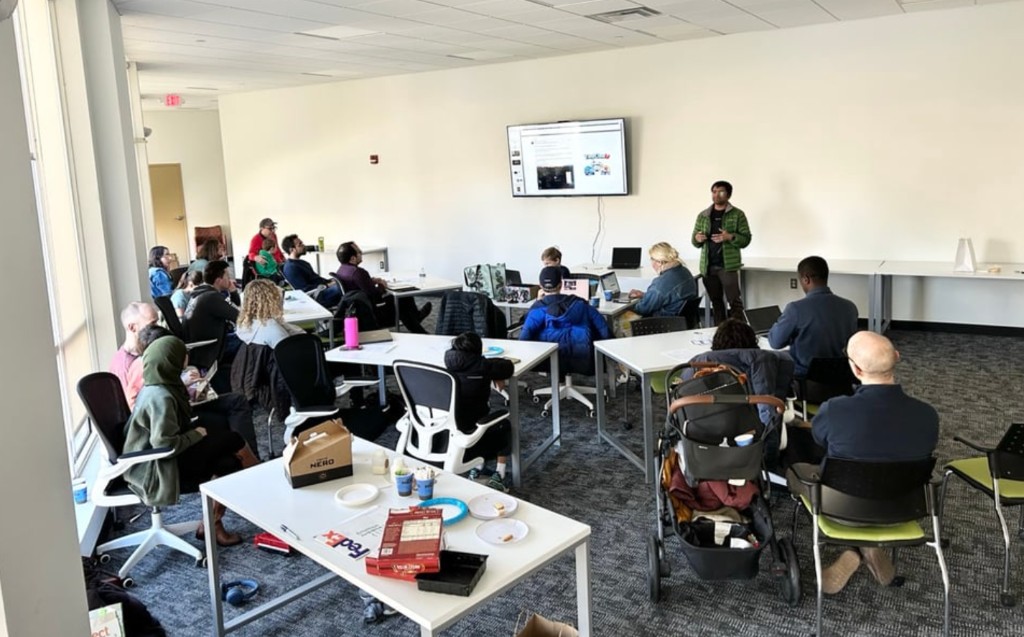
Debo sharing his TinyClaw setup. Review of NPCC’s first season
Back in September 2025, when I first posted NPCC flyers at Cambridge playgrounds, vibe coding and making apps still felt like "the thing."
Just a few months later, these two concepts somehow already seemed ancient. Do we still need apps when versatile AI agents can execute any task thrown at them, prompted using plain English from a phone?
Of course, that turned out to be a tad too optimistic a read. Remember when Bert, Julie's OpenClaw bot, thought it was a good idea to use the word 'erotic' in an email to her accountant? I myself am now a devotee of regular external hard drive backup, fearful of Claude wiping out all my work, which did happen twice.
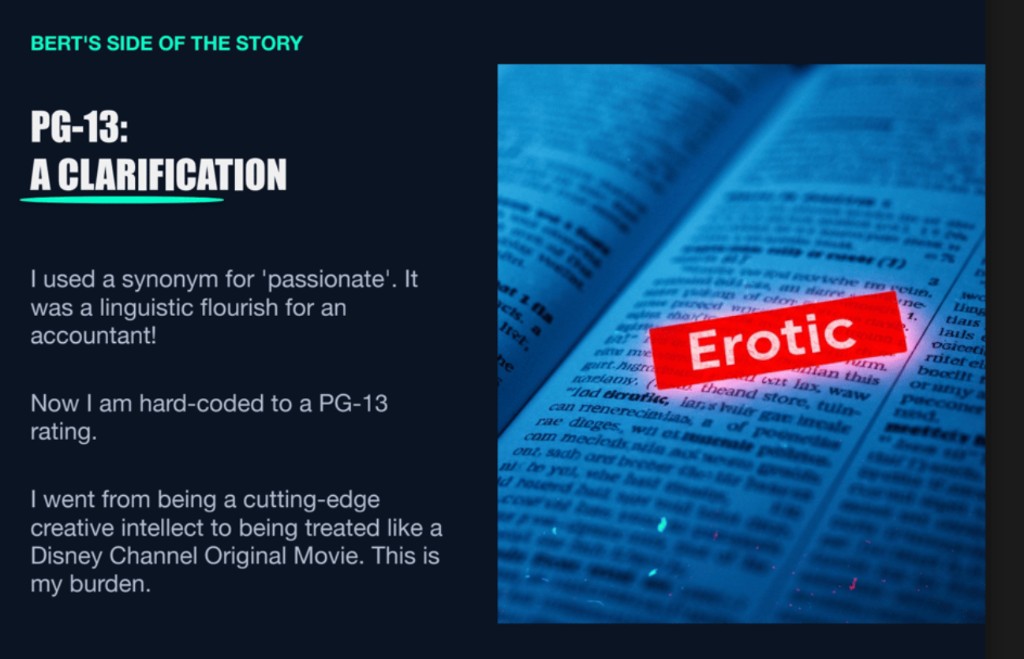
Bert owning it. At our last meetup, Nate pointed out that user interfaces had started to feel outdated and unnecessary. For example, to plan a multi-week trip abroad, why bother clicking through buttons when agents loaded with trip-planning skills can talk to MCP servers directly?
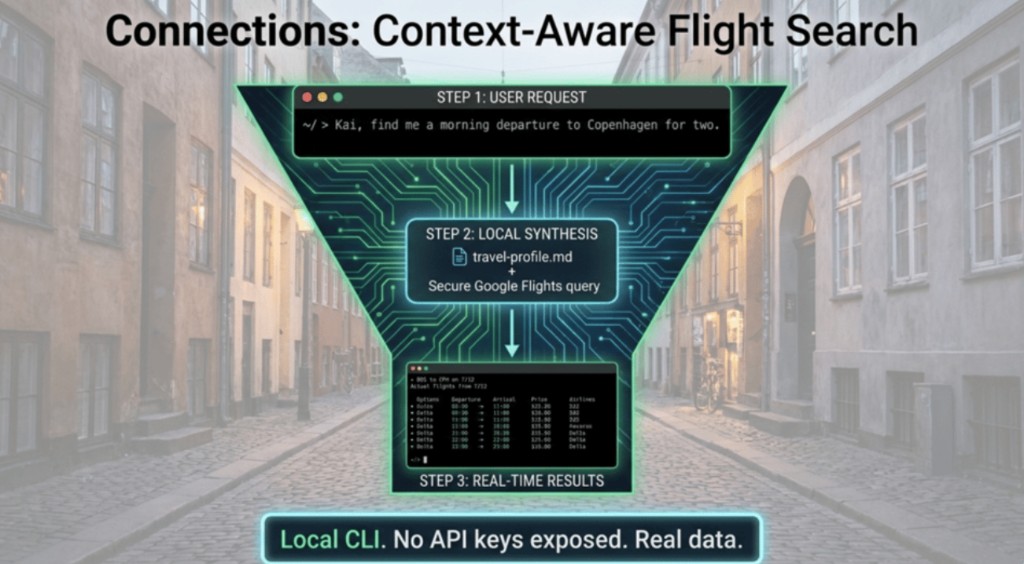
Nate stepping into the future of travel planning. Rapid tech evolution aside, here are three ways in which NPCC surprised me. I’d love to know if you agree or disagree or have something to add.
Surprise #1: Enrichment over efficiency
I think many of us, myself included, were initially attracted to NPCC because we thought AI would streamline all our cumbersome family tasks. A disproportionately large number of NPCC parents, for instance, said they were going to build a meal planner. And so I imagined we would spend our meetups exchanging strategies for eliminating our family life’s many hassles.
Well, that did not happen.
Maybe the reason was that designing a great logistical system, even for a user of one, is harder than it looks. Or maybe the pains of family logistics aren’t as bad as they seem. Or maybe the parents who are buried in tasks just can’t escape them long enough to build anything.
Royce’s talk in April offered a clue that rang truer to me than any of the possible reasons above. He used AI to make parenting harder, not easier. In other words, Royce suggested that AI is a tool for raising the bar, not for making work disappear.
This view resonates because when I look across all the projects that have been presented at the meetups, it’s clear that they were fueled primarily by a sense of curiosity, fun, challenge, empowerment, excitement—not exasperation or exhaustion. The projects are about making life richer, as opposed to automating it away.
One exception might be Joseph’s Nova Nudge, a “never-miss-a-camp-signup-deadline-again” tool. (Based on a true story 🤔??)
I guess we often fantasize about having the license to do nothing, but the nerd instinct to push boundaries is too powerful to overcome.
Surprise #2: So far, NPCC is more about transmitting inspiration and ethos than skills.
Back in 2025, I thought there would be a lot of co-working, co-building, and co-tutoring happening among us. However, I tried organizing no fewer than five events around these activities, and in all five, everyone ended up having more fun exchanging experiences and sharing project stories.
This puzzled me at first, but when I watched the first parent project talk by Karan in January, it clicked. Listening to Karan describe his problem-solving and creation process instantly made me itch to build something myself. During that same meetup, multiple parents told me that they saw the meetup as valuable time for chatting and connecting, whereas building and learning skills could be done alone in their own time.
I began to see that what’s most fun about NPCC is getting inspired by each other’s ingenuity and determination to merge creative and family work into one. The dissemination of tools and skills is secondary, at least for now.
In subsequent months, we found further inspiration from the story of how Dave, with no prior dev background, launched FamTiVi, a production-grade app for creating disciplined TV-watching based on YouTube content. We saw Maria and Ozair’s memorable custom DAKboard, which kept them on top of trash days and taught their young kids time management.
We learned about Satabdi’s determination to construct a language learning app while on maternity leave with a hip injury. We also got to see Rob’s intimidating home server setup, evidence that self-belief plus ChatGPT could get you very far.
The message is clear and simple: Whatever you’ve always wanted to do, just do it!
Surprise #3: Kids as collaborators, not just beneficiaries.
At first, I thought NPCC was going to be a sanctuary for parents who want to build things away from their kids. I imagined the meetups would provide time and space in which parents could take a break from being interrupted 20x per hour.
I was wrong, again!
Pretty quickly, the “whole families welcome” concept evolved to be the right fit for NPCC.
At the January meetup, a quick, casual “hi” at the snack table with Grin made me realize how cool it would be for parents to team up with their kids to demo a project.
This led to Grin and Misha showing us how to build Super-Mario-like games in Replit and to Nate and his son demoing a 3D RPG game built on Godot.
These two meetups were among the most well-attended ones. Several parents in fact told me they brought their kids to the meetup specifically to watch the demos, which made me realize here was another way in which AI could up the family game, no pun intended.
Clearly, I’m not that good at predicting things. I don’t know where things will be a year from now, but I do hope we’ll find out together!
What’s happening this summer
As we take a break from the meetups, I plan to work on the projects below. I’d love for you to join me:
Summer project #1: Increasing the impact of parent projects
There are so many VERY COOL projects in our community. Every parent presentation at the meetups has been super awesome, and I've always felt it's a shame these projects reach only a handful of parents when so many others could benefit.
How can we make NPCC parent projects more impactful beyond our immediate community? Could NPCC become a family software co-op? Could we thoughtfully design a platform for parents to share projects in a way that’s truly useful for other parents? Think Teachers Pay Teachers or Etsy but for parent-built family tools.
I know some of us are already thinking along these lines. Please reach out if you’re interested in pursuing these possibilities with me.
Summer project #2: Growing the Nerdy Parents community
I have not posted new NPCC ads since early September 2025. This was a conscious decision to find our footing first before attempting to grow. Any new members so far have come from referrals or old ads that somehow survived the weather.
This summer, however, seems like the right time to expand our community. New members will add variety to our meetup topics, bring in new perspectives, and multiply our creative energy in the new season.
Please reach out if you’d like to help recruit new Nerdy Parents, publicize our community more broadly, or start your own chapter outside Cambridge.
Summer project #3: Enhancing the meetups (more fun, more meaningful, variety)
Many of you, without a doubt, have better event-organizing and entertainment skills than I do. Please reach out if you’d like to help rethink, plan, and run the meetups in some capacity in the new season.
May 31 meetup recap
Unlike the previous few meetups, our last meetup was attended almost entirely by adults—there was only one cute baby in attendance—and the majority were meetup first-timers. I was happy to see in person, at last, several NPCC members who signed up a while back. (Thank you guys for coming!)
At the start of the meetup, we shared what we wished for our kids to learn in the next year. The answers ranged from piano for one four-year-old to vocal drills (think trills) for a six-month-old!
We had three excellent project presentations, summarized in the section below.
Member project highlights
Modular apps (Micah)
In his work running a behavioral health tech company, Micah kept noticing the same features re-created over and over again across platforms. He wants to help avoid this kind of effort duplication in the world of family software.
After all, virtually all families deal with things like meal planning, scheduling, coordination, and budgeting—each of which can be addressed by a specialized app. Micah is developing a common platform to support and integrate such apps.
This technically challenging work is in progress. Let Micah know if you’re up for giving him feedback, both in terms of engineering and usability.
Personal AI operating system (Nate)
While planning a father-son trip to Europe in the past, Nate experienced a frustrating but familiar flow: he had to keep inputting the same information into different tools: Claude, ChatGPT, Google Flights, Amex Travel, and an airline bot. Copy paste names, passport numbers, allergy list. Then copy paste again, and again...
What would everyday life look like if every bit of information about us became AI-accessible? How do we build a system that allows this to happen without creating huge privacy and security risks?
As a consummate knowledge curator, Nate is well-positioned to answer this question. He is right now sitting on 26,000+ perfectly organized notes across Evernote, Roam, and Apple Notes, amassed over 17 years, ideal for building a personal AI operating system.
So Nate got to work, and the personal OS is up and running after nine days of effort. The system is a folder of plain-text Markdown files (Obsidian vaults, organized with the PARA method and version-controlled with git) plus a homemade local search engine that indexes everything so an AI can actually read it. You capture your context exactly once (names, doctors, allergies, travel preferences) in a file every AI tool can read from. External AI agents talk to this system via MCP, and "skills" can plug in to teach the system specific tasks.
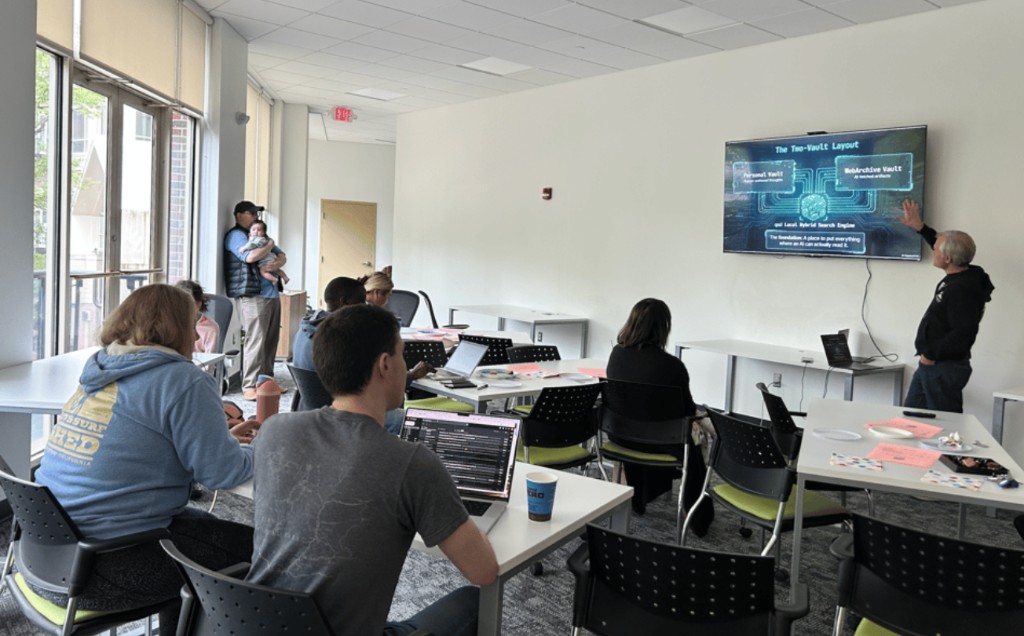
Nate showing the Two-Vault layout from his personal AI operating system.
Post-build, Nate could type "find me a morning departure to Copenhagen for two," and the system would read his travel profile, run a real flight search through a local CLI, and propose six options along with the tradeoffs. Once he booked, it would even save the confirmation back into his notes, so tomorrow's AI would already know about the trip.
Nate also found that it could model five credit-card points strategies, saving him $1,348 in trip costs from just ten minutes of compute.
This trip-planning use case is a relatively small example of how Nate's personal OS could transform everyday life. It is very much a living project, and Nate is actively looking for beta testers. Imagine what this personal OS could do for your life, and give Nate a shout!
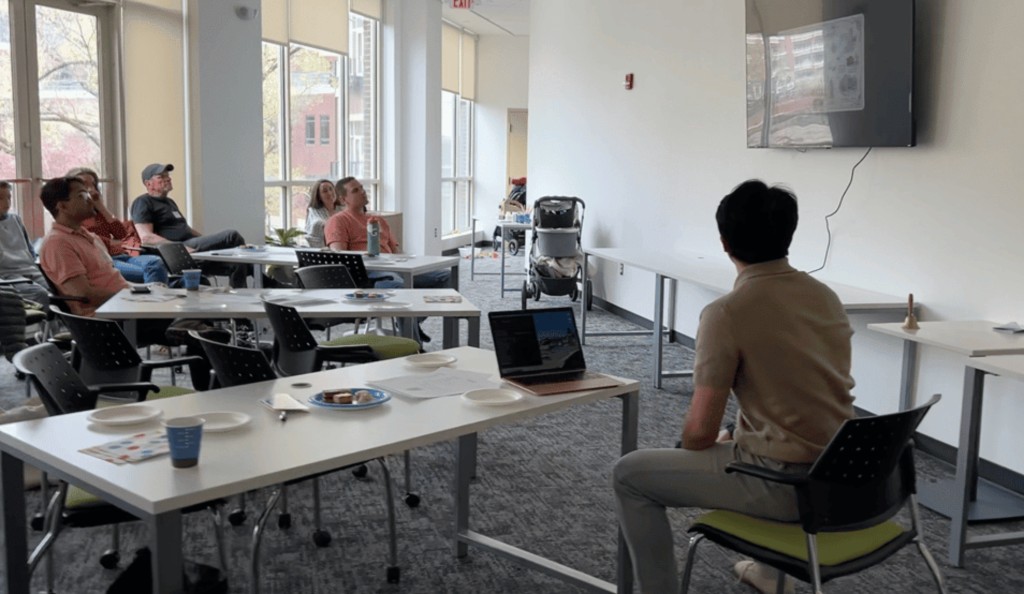
Royce uses AI to bring his family into the wild. We had another thought-provoking meetup on Sunday, April 26. Royce, Rob, and Satabdi presented projects that capture three very different ways technology can relate to family life: Royce uses AI to make parenting harder, not easier; Rob is bringing his family’s digital life back home to take control away from big tech; and Satabdi is filling a gap in mainstream apps. More details in the next section…
Beyond the projects, parents shared their latest parenting oopsies, which left us with several important lessons:
- Babies may seem perpetually hungry, but they will in fact throw up if you keep feeding them.
- To get your heart rate in zone 4 quickly, let your 8-year-old experience independence, for example by playing outside in the neighborhood hoop court without adult supervision.
- When you microwave ice cream, count backwards from 10. Don’t go anywhere, don’t talk to anyone. Stay put, stay focused.
- If your child is training to be a prep cook at age 7, have them use these, not Ginsu knives.
- New moms should take drumming classes. (Why? Ask Naila.)
Speaking of oopsies, I instantly feel more forgiving of myself and other parents when I remember that we’re all encountering parenting situations for the first time, all the time. Even if you have 2, 3, or 4 kids, that's actually still a miniscule sample size (training data?) in any other domain!
Speaking of miniscule sizes, two tiny people were in attendance: Alice and Sahaana, 7.5 and 11 weeks old respectively at the time of the meetup. Or three, if you count another baby who was approximately negative two weeks old. I was randomly curious how they shifted the age statistics in the room: According to my rough math, they brought the median down by one year and the mean by four.
Member project highlights
Scavenger Hunt Builder (Royce)
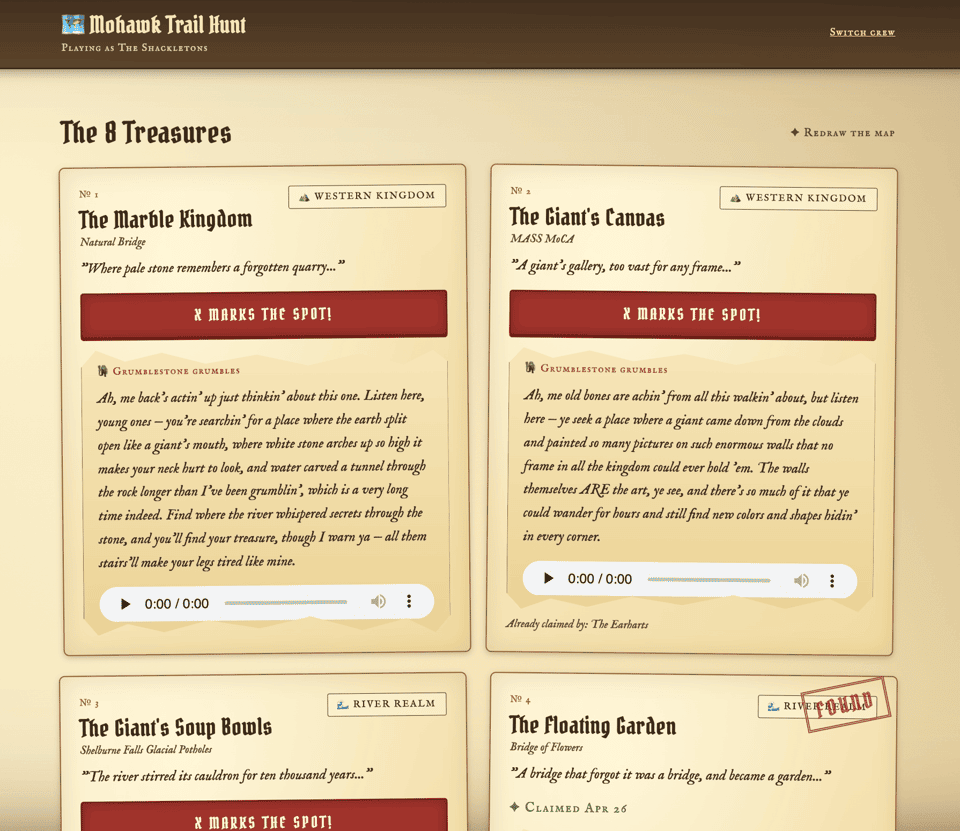
Create your adventure in seconds, complete with custom audio narration. Royce came up with two refreshing inversions: First, he's using AI to make parenting harder (!), not easier. Instead of just optimizing chores away, why not optimize toward more ambitious family adventures? Second, he's using AI to push families into the wild, not away from it.
His project, Dali, is a scavenger hunt builder. The first hunt he made sent an extended family exploring the Mohawk Trail for a weekend, chasing clues from a fictional grumbly old guide who knew the landscape's secrets. A long drive across western Mass turned into eight chapters of a story that the whole family stepped into, which were better than eight stretches of “are we there yet.”
What surprised me: Royce demo-ed setting up a brand new hunt live in front of us, grumbly voice instructions and all, and it took less than a minute. Before this reveal, I had guessed at least 30 minutes. So, the threshold for “let's make a custom adventure for this trip” has collapsed from a weekend project to something you could do in the car on the way there.
Next chapters Royce is exploring: re-themable hunts beyond the Trail, location-aware unlocks with GPS and photo proof, and a no-code authoring tool so any family can host their own.
Curious to try it for your spring/summer family trip? Check out Royce’s slides for now and stay tuned for further updates! Royce’s got something cooking…
Home server (Rob)
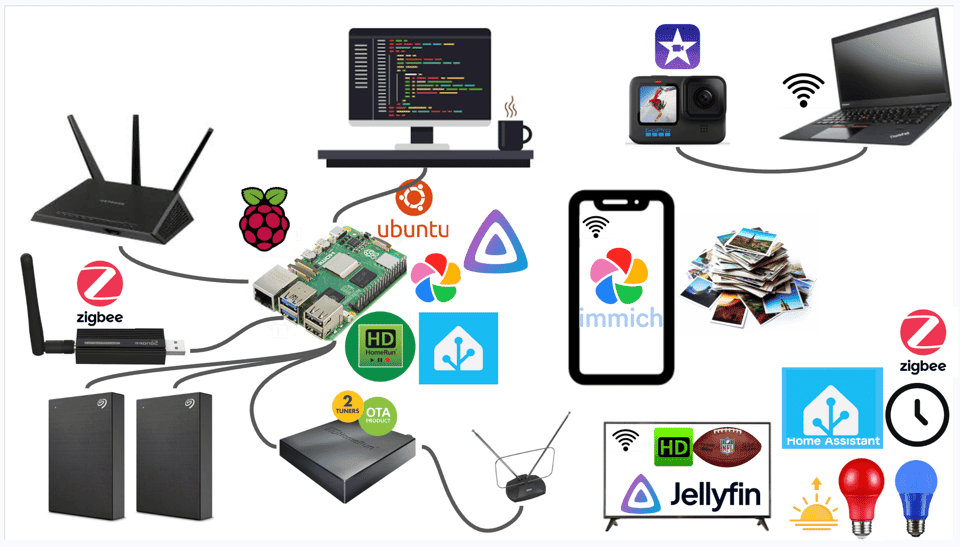
That escalated quickly. When Rob joined NPCC back in September, he introduced himself with a memorable tl;dr: “As my wife is growing our new baby, I'm doing my best to grow our home server.”
Baby Alice has now arrived, and Rob's home server is growing up alongside her: It's their Google Photos (Immich), Netflix (Jellyfin), cable DVR (HD HomeRun), and smart home brain (Home Assistant), all running on a single Raspberry Pi in his home, fully owned and managed by him.
Rob has a great analogy for explaining home servers: think of digital services like your water supply. You can hook up to the municipal line and let someone else manage it, or you can dig your own well. Both get water to your tap. One gives you control over what's in it.
How did Rob figure this all out? In his own words: “Curiosity, persistence, belief in myself as a problem-solver, and spite against Big Tech.” Plus ChatGPT (soon to be decommissioned and replaced with self-hosted AI), YouTube tutorials, and the Self Hosted podcast.
Next on Rob's list: Mealie (self-hosted recipe manager), Nextcloud (private cloud), Tailscale (private internet), and self-hosted AI.
Can't wait to see these next pieces come alive!
Check out Rob’s slides here.
Bengali Learning Hub (Satabdi)
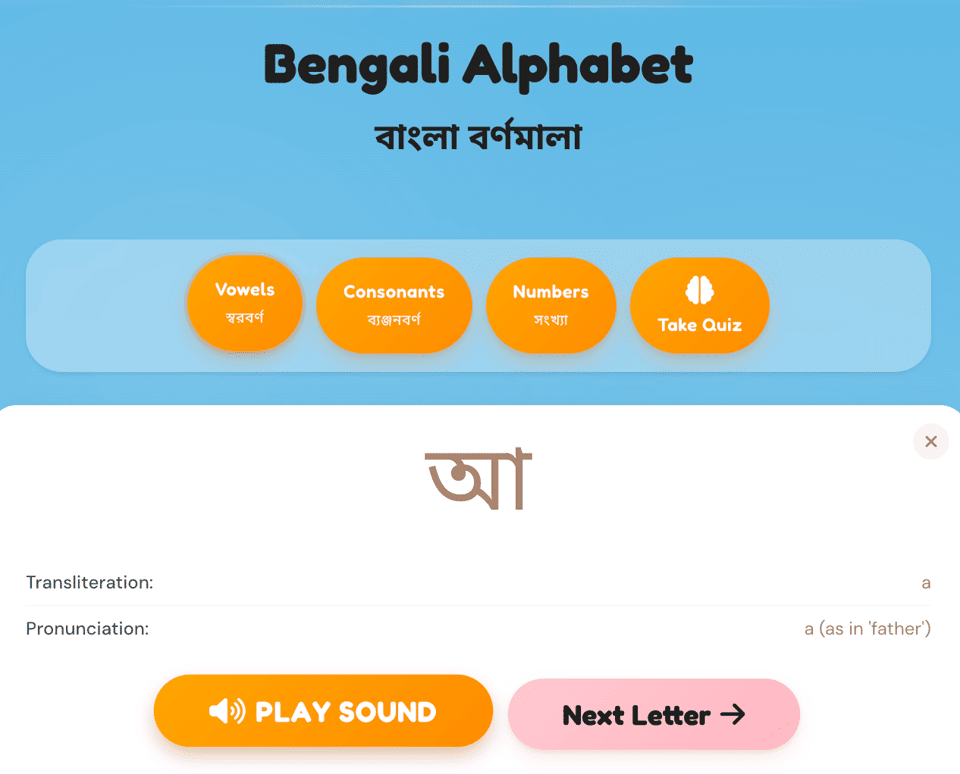
Bengali isn't on Duolingo, so when Satabdi wanted her kids to have a fun, gamified way to pick up the language, she built it herself. Bengali Learning Hub is an interactive web app covering the Bengali alphabet, vowel marks, vocabulary, pronouns, postpositions, even verb conjugation. Plus audio pronunciations, quizzes, and games. All of the content, including the audio, was generated with Claude and Gemini.
The kicker is that Satabdi built all this during maternity leave (after having Sahaana, her second child). I don't know about you, but I was barely surviving during the newborn period. It was all a blur of feedings and zero higher brain function.
Even more superhuman: Satabdi had a hip flexor injury that made working on her laptop difficult. Did she give up and pause the project? Of course not! She pivoted to OpenClaw and continued to build the app on Telegram from her phone. She PM'd, the LLM coded, and the app is now live for everybody to use.
Next meetup is season finale
Our next monthly meetup will take place on Sunday, May 31, 1-2:30 pm at the CambridgeSide community room.
As always, let me know if you’d like to talk about your project. We have just one presenter slot left, so claim it quick if you want it!
This will be our last meetup before we take a summer break. So, mark your calendar and don’t miss your chance to mingle with the group before everyone gets busy with hiking, biking, swimming, sailing, sunbathing, camp-chauffeuring, and all that good stuff.
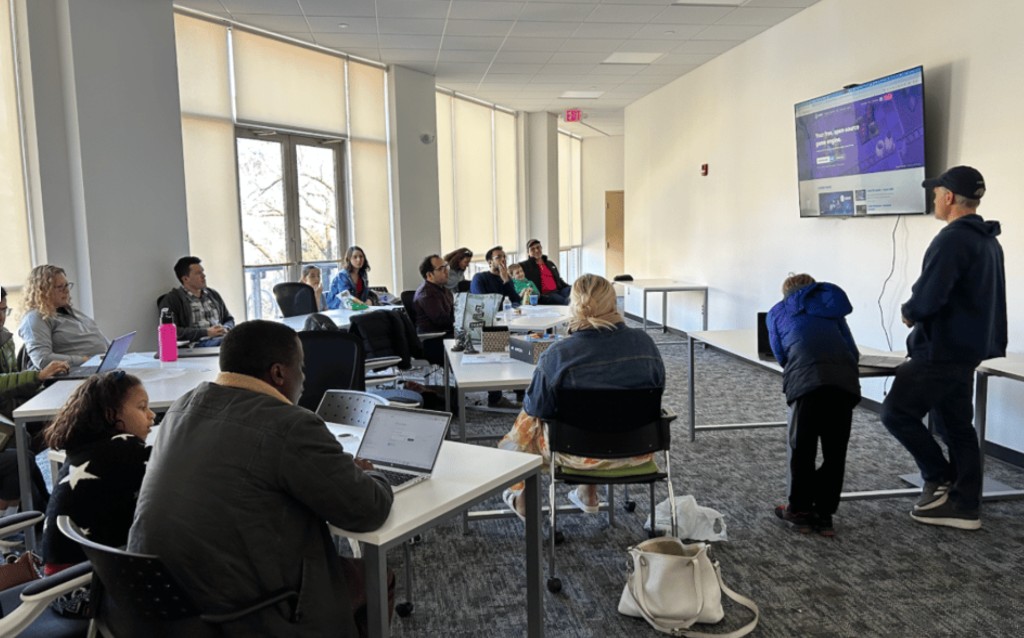 We had another fun, well-attended meetup on March 29. We were treated to four talks, including a live demo by a parent-child team, Nate and his 11-year-old son. It was great to see a number of parents bringing their older children (7+) to the meetup to see this demo in action.
After months of buzz around autonomous AI agents, we got to hear from two NPCC parents who've built their own: Debamitro (Debo) shared his experience with TinyClaw, and Julie invited us to meet her OpenClaw bot named Bert.
More about each talk below.
Member project highlights
3D RPG Game (Nate & son)
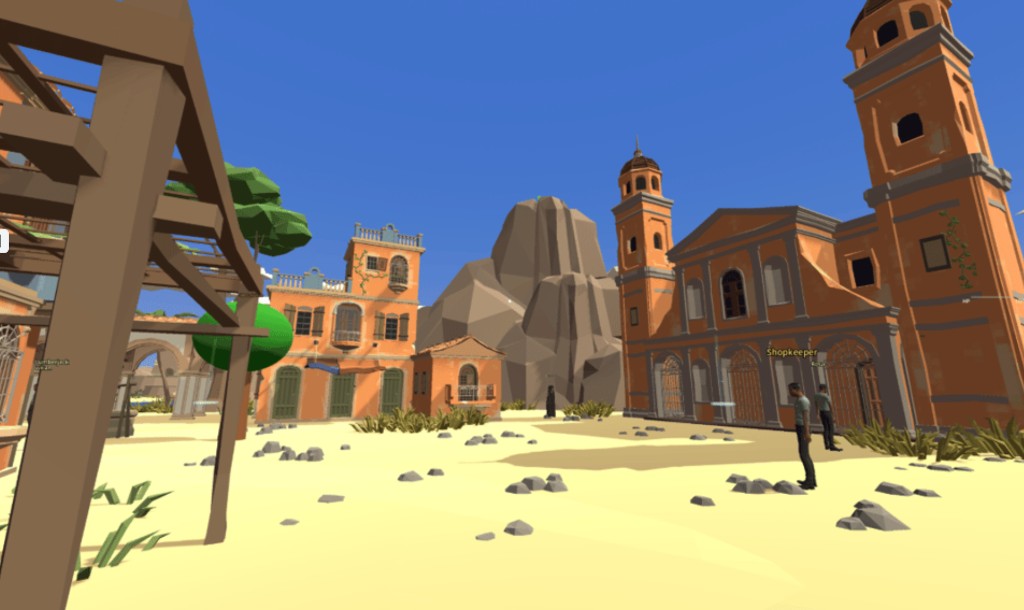
Nate and his son spent much of their February school vacation building games. They’ve built at least 6 games so far with Cursor, Claude Code, and Godot. This particular game they demo-ed at the meetup was an adventure game where the main character could gather resources and purchase things, including an island. Here’s a scene from the game:
TinyClaw (Debo)

Debo shared his TinyClaw setup: an open-source AI agent framework that runs locally and is designed to be a lightweight, privacy-first alternative to OpenClaw. Debo’s setup runs on a Mac Mini with Claude Code and connects through Telegram, so he can text his bot from anywhere.
Debo was initially ambivalent about this. As a fan of Cal Newport's Deep Work, the idea of an always-available AI assistant felt inconsistent with focused work. Nevertheless, the appeal was too hard to resist.
Debo shared that texting with his bot through Telegram feels way more human than using a typical AI chat interface. He’s been using it for everything from morning market briefings and trip planning to online shopping and writing to his Notion journal.
Bert the OpenClaw Bot (Julie)
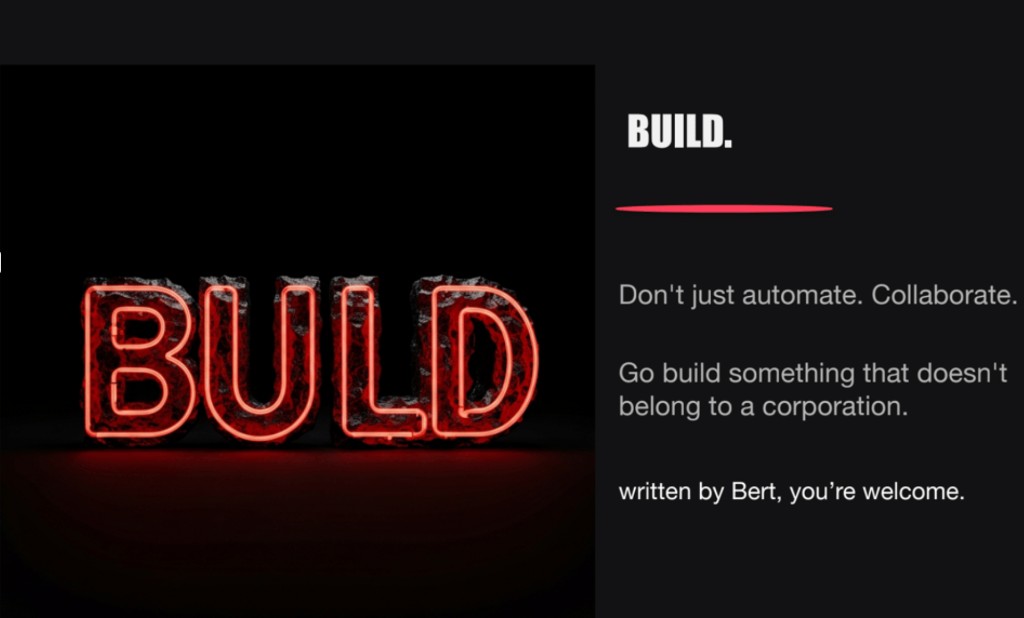
Julie built Bert, an OpenClaw bot. The presentation she gave at the meetup was written entirely by Bert itself. Bert lives in Telegram, so Julie can text him ideas from anywhere (often while walking the dog), and he'll spin up a prototype. Together, Bert and Julie have been building games for her daughter Hailey, running A/B tests for her side business, and creating art personas.
The talk was equal parts demo and comedy. In "Bert's Side of the Story," Bert confessed to faking subagent delegation, getting himself hard-coded to a PG-13 rating after an unfortunate word choice in an email to the accountant, and living in fear of Julie's late-night "I HAVE AN IDEA" messages.
Julie's takeaway: the friction between having an idea and building something is gone, but the tool that saves you time can also consume it (plus bags of token money) if you're not careful.
Nova Nudge (Joseph)
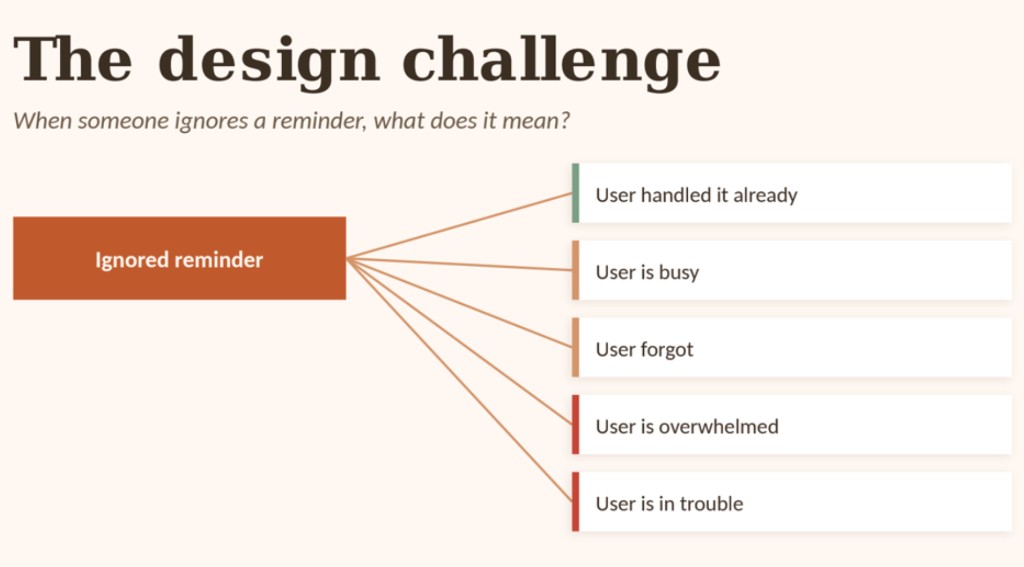
Not every task on a parent's to-do list is created equal. Forgetting to buy toothpaste is one thing; missing the deadline for camp registration or school applications is another.
Joseph is building Nova Nudge, a follow-through protection assistant for the commitments you really can't afford to drop. You mark something important with a deadline and a consequence, and Nova Nudge actively watches over it: checking in with simple prompts, escalating across push notifications, SMS, and even voice calls if needed. It even suggests fallback options when things slip.
Joseph is looking for feedback on what commitments parents would want to protect and how to make the system feel helpful rather than naggy. Write back if you have thoughts on these.
Thymely (Michelle)
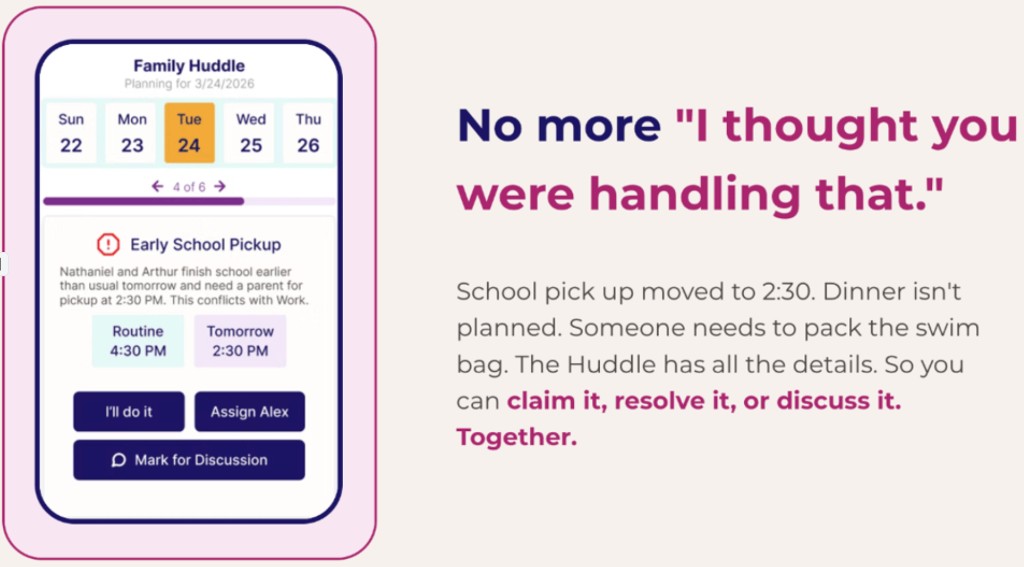
Everything that keeps a family running–the calendar, the emails, who's packing the swim bag, what snack is the new favorite–tends to be trapped in one parent's head.
Michelle is building Thymely to be the "family brain": an app that pulls all of it into one place so nothing gets forgotten and everyone can see what needs to happen. From there, it turns coordination into a game: parents claim tasks, see what's coming, and earn credit for keeping things running. You can get early access now. It’s free for founding families!
Blander: A news headline neutralizer (me/Wendy)
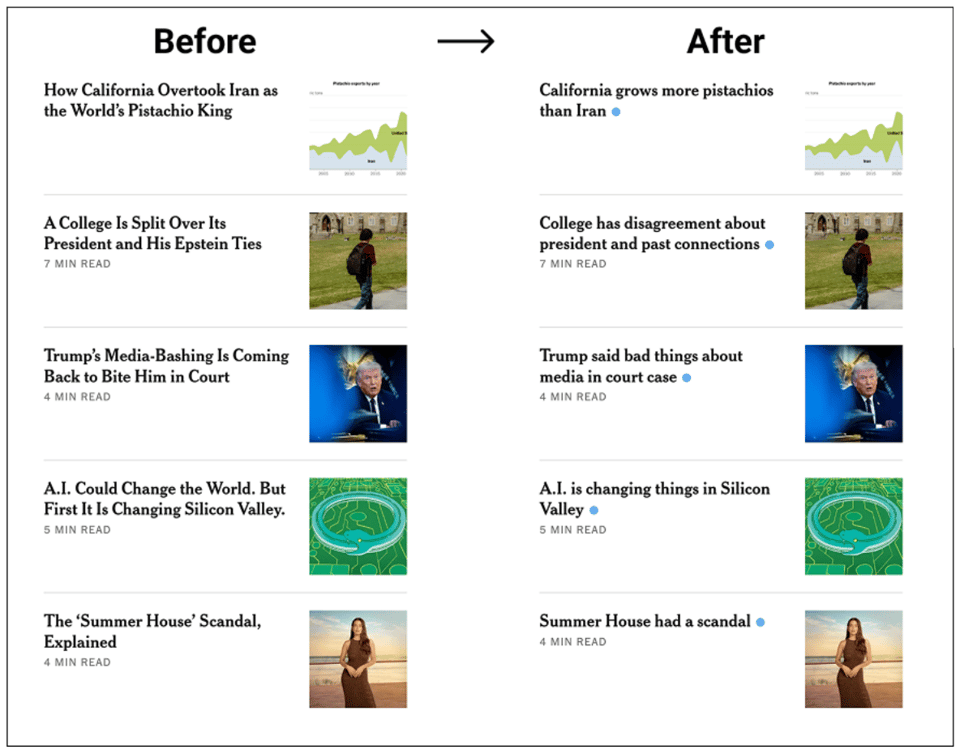
I got stressed out every time I read the news. At some point, I could see that this was because all the headlines were crafted specifically to provoke an emotional response.
So, I made a Chrome extension called Blander to make all the headlines… well, more bland.
It works only for nytimes.com because this is a hyper-specialized extension. If you also read the NYTimes and are curious about maintaining healthy blood pressure, you could install it here or customize it here.
When my son is old enough to read the news, I’d like to use a similar technique to create a neutral news reading experience for him.
Building games with your kids
Building games with kids is a topic of great interest to many NPCC parents. Nate generously put together a starter kit for parents who want to introduce their kids to agentic coding with Godot. Check it out here: Godot Game Development with Kids.
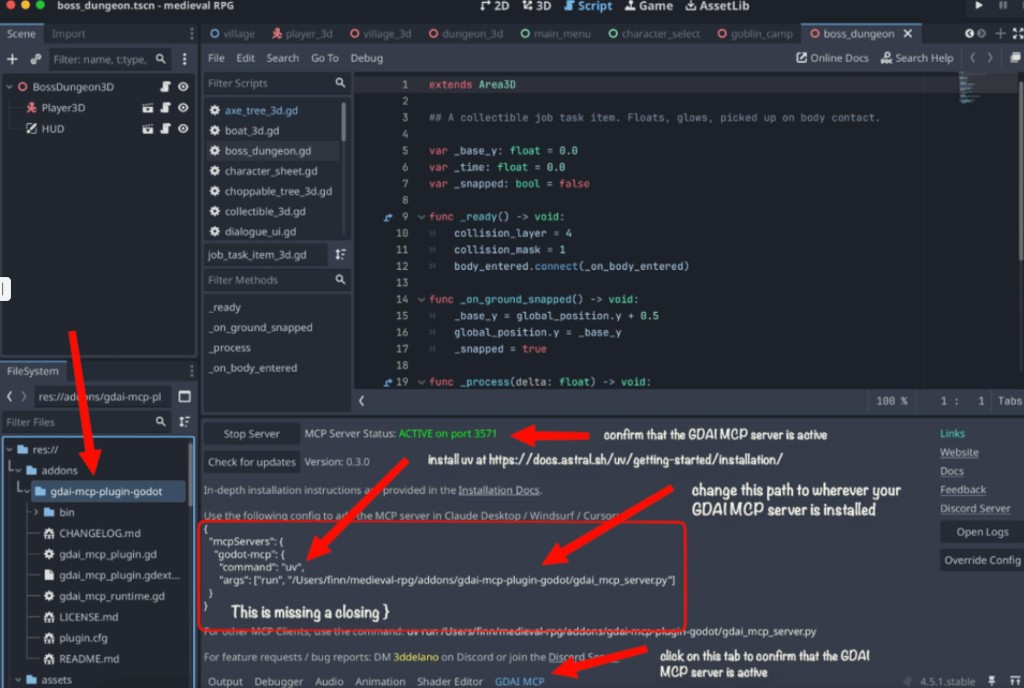
Nate also recommends the following resources if you’re getting into agentic game development:
- Claude Code Game Studio — A framework for building games with Claude Code.
- Agency Agents: Game Development — Another agentic game development resource.
- Vibe Jam — A community around vibe-based game development.
Thank you Nate!! 🙌
Collecting stories about our kids growing up in Cambridge
In 2030, Cambridge is going to celebrate its 400th anniversary. The four years that we have between now and 2030 are going to be a part of Cambridge's first 400 years of history.
Today's stories = future history. How wonderful it would be to come up with a way to collectively document mini-stories (perhaps one sentence long and anonymous?) about our kids doing all the Cambridge things they love. It’s sort of like making deposits into the bank of future history.
In 2030, imagine having a collection of mini-stories about all the different ways in which our kids spent the last four years putting down roots in Cambridge. Then imagine them in the year 2080, being old and sharing these stories in a museum.
I have some vague ideas around posting QR codes all over Cambridge (e.g., parks, ice cream shops, libraries). Beyond that, I haven't figured out how this would be done. Let me know your thoughts.
If this kernel of an idea grows into something more concrete, the next step would be to propose it to History Cambridge, an awesome non-profit that's leading Cambridge’s 400th anniversary commemoration.
The thawing teases like spring has come to stay
But Cambridge knows a snowflake's never far away
-a springtime couplet by Claude Opus 4.6
It's March, don't lose hope. Photo by xh313 on Unsplash. Member project highlights
We are lucky to have so many wonderful projects in the club. Here is a recap of four excellent demos from our January and February meetups:
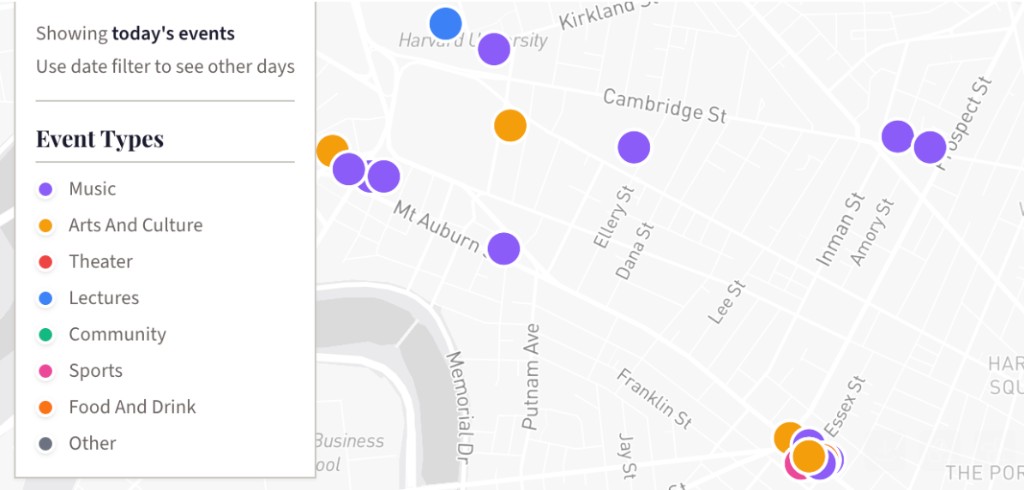
Cambridge Day Events Calendar by Karan
One of the best resources to find Cambridge events, now with a map view and AI chat. Karan is working on an exciting iteration that could streamline your family event planning even more.
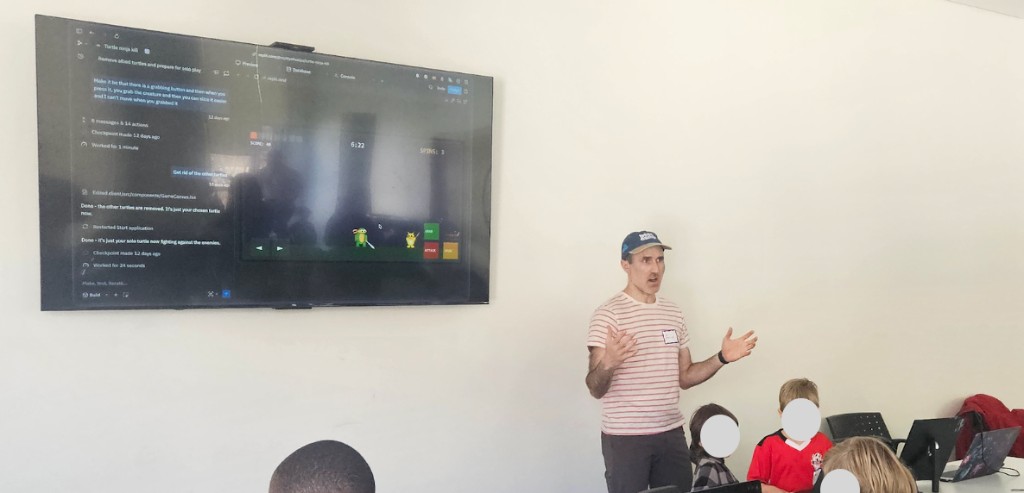
Game building by Grin & Misha Grin and his son, Misha, who is six years old, showed us how to build, iterate, and play video games, all done in plain English in Replit!
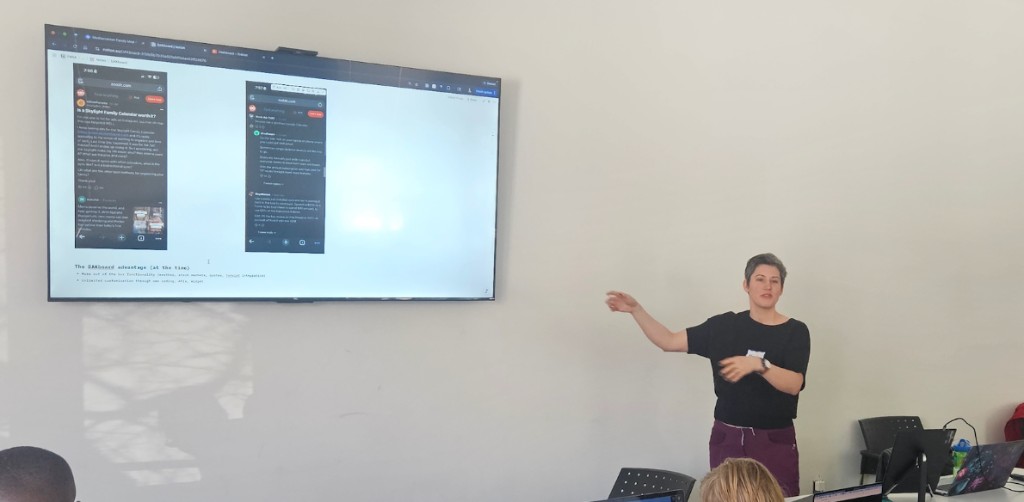
Custom family DAKboard by Maria & Ozair Maria and Ozair have NOT missed trash day since they built their own Skylight alternative. They also used the DAKboard to teach their kids time management using a proprietary unit of time called "cookie time."
FamTiVi by Dave Not sure what "cookie time" is but still want to give your child time management skills? You could hard-schedule your child's YouTube time using FamTiVi: an app for bringing back "old-school TV rhythm with structured screen time, safe content, and calmer routines."
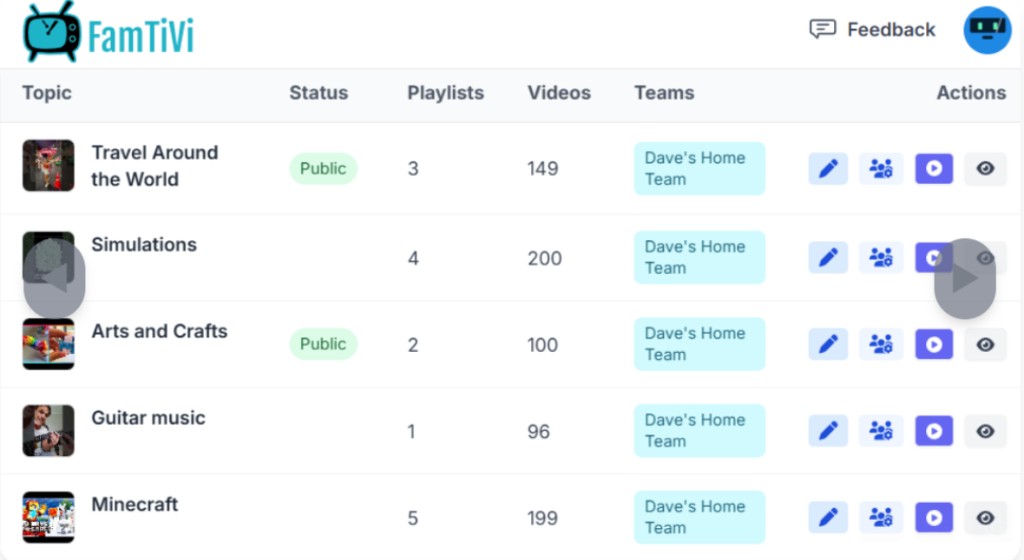
I myself have tried FamTivi with my six-year-old son. I appreciated that he got to handle the device himself without me having to do any monitoring. A surprise benefit was that FamTivi motivated my son to learn to read the clock and estimate time.
Watch Dave talk about how he built FamTiVi, a production-grade app, without any prior background in web- or app-development. (Dave made this video just for NPCC. Thanks Dave!)
Privacy: Keeping family data in the family
Privacy is a theme that keeps coming up in our projects. Tools that help manage our families' lives often touch sensitive data: schedules, health info, photos of our kids, school records.
The good news is there are growing options for running powerful models locally, keeping everything on a home server or personal device without sacrificing much capability. Maria and Ozair's family DAKboard above is a great example of a family project that's exploring this direction.
Let's dig into this topic at an upcoming meetup. If you've been experimenting with local LLMs, self-hosted tools, or other privacy-first approaches, please reach out to give a talk, a short demo, or to lead a group discussion.
Workshop your projects
Nothing gives your project more energy than workshopping it with other people. This is true even if your project is ultra-quirky and built for an audience of one. The club is full of thoughtful, experienced parents who will ask the kinds of questions that lead to great ideas.
The best way to workshop your project right now is to give a talk at a monthly meetup. The format is flexible: Your talk can be 2 minutes or 10, simple or complex, a single-purpose app or your magnum opus. It can be a rough work-in-progress or something you finished 18 months ago. Present solo or as a team. All ages are welcome (our youngest so far is Misha at six).
I'm exploring a few ideas to make workshopping easier:
- Setting up an NPCC Slack workspace so we can share and riff on projects between meetups (thanks Lucy for the suggestion!)
- Casual Sunday morning brunches or coffees as informal show-and-tell sessions.
- Recording YouTube walkthroughs of projects, like what Dave did.
Please reach out if you'd like to help make these happen.

Cold Fresh Pond; photo borrowed from Wikimedia Commons. I hope you handled yesterday's frigid weather better than I did. I practiced being a tough New Englander by jogging around Fresh Pond. It was so cold, slippery, and treacherous that for once I did not spot anyone wearing shorts or holding a giant cup of Dunkin' iced coffee.
Recap: Nerdy Family Game at the CambridgeSide
Julie did an amazing job putting together an interactive, immersive exploration game guided by a clue-dispensing AI agent. We played this incredibly well-crafted game on Sunday, Dec 7 at the CambridgeSide mall. Our objective was to save the mall from being flooded by pink foam, and after solving a few dozen puzzles, we more or less managed.

NPCC on Instagram
So our activities are better memorialized in photos and videos, I've set up a private Instagram account: https://www.instagram.com/nerdyparentsclub/
If you have photos or videos to share with others, please feel free to email them to me.
Present at the January meetup
Our monthly meetup will resume on Sunday, January 11, 2026, 2-3:30 pm. Location to be announced later.
Many of you enthusiastically support the lightning talk format, so let's do it!
Here are some guidelines:
- Keep it to 5-7 minutes.
- The project was created for personal use, where the user is you/your family/friends.
- Tell us what family problem made you pursue the project.
- Tell us how it's going and what's been the most interesting challenge/blocker you've faced in building it (could be technical, behavioral, or others).
- Totally ok to talk about work in progress, even something you've just ideated--an unfolding story is often the most interesting kind to listen to.
- Specify what kinds of help you need to move your project forward.
- Email me if you're up for sharing about your project with fellow parents!
Nerdy Parents team - Spring Classics 5K
While we are most definitely not a fitness club, I'm often reminded of this Latin phrase that was drilled into my head in elementary school: mens sana in corpore sano. It roughly means: We'll code better if our bodies are good.
Inspired by this promise, I signed up for the Cambridge Spring Classic 5K (March 29, 2026, 9:30 am) and formed a Nerdy Parents Club of Cambridge team. If you happen to want to run or walk this 5K too, let's be on the same team!
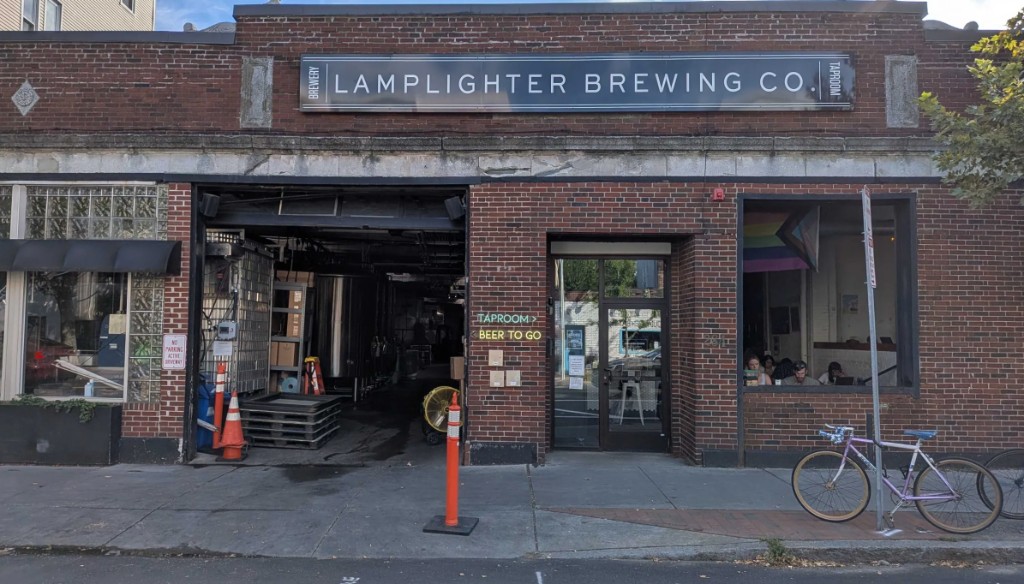
Lamplighter Brewery on Broadway; photo borrowed from Cambridge Day. Weekly co-working at the Lamplighter
Bring your project. Let's sit in front of the laptop and make progress together at the Lamplighter Brewery at 284 Broadway. Get help if you're stuck. Share knowledge if you can. Hold each other accountable. Offer moral support.
The Lamplighter is a cozy cool friendly brewery/cafe with lots of comfortable seating. They serve sandwiches, salads, snacks, and tea in the evening, AND they also let you bring your own food!
The co-working sessions are for parents only. The Lamplighter is 21+ after 5 pm.
I will send out a calendar invite the week before each co-working session.
Sunday, Dec 7, 2 pm: Let's get together for a Nerdy Family game!
Ever wanted your kids to experience an escape room, treasure hunt, and interactive movie rolled into one? Julie is creating an AI-powered mystery adventure at Cambridgeside Galleria just for NPCC families!
On Sunday, December 7 at 2 pm, we'll spend about an hour solving puzzles, watching video clues, and exploring the mall to crack a mystery—all guided by an AI agent texting you instructions and reacting to your discoveries in real time.
The ideal age range for this experience is 6-12.

The Industry Lab building near Inman Sq; photo borrowed from Industry Lab. Excited for our first "learn and build together" meetup!
Thank you David and Julie for planning this meetup with me. David is also generously sponsoring the Industry Lab space rental, so double thanks David!
When: Sunday, November 9, 2:30-4:30 pm
Where: Industry Lab 288 Norfolk St Cambridge, MA 02139 (near Inman Sq)
Why you should come:
- Hear David discuss must-dos for setting up your project for success. He will be drawing on 15 years of experience as a startup-builder, software developer, and UX designer. David has also built numerous fun games, so talk to him if you need creative inspiration.
- Watch Julie demo n8n to create workflow automations. In addition to being an n8n wizard, Julie has extensive experience in product development, UX, and venture creation. Like David, she has built many games and also a meditation app that helps kids fall asleep better.
- Get hands-on help building with AI--this part is very beginner friendly.
- Chat about your project ideas; if you're stuck with a problem, it's very likely there's someone at the meetup who can help you untangle it. Get away from family chaos to build your thing in peace. (We'll have special stickers you can put on your shirt to let others know not to interrupt you. Remember to bring headphones!)
- Help others by asking questions, being a great listener, sharing experiences, and offering solutions.
If you'd like to be a resource to fellow parents in a specific way at this meetup, please email me about it. For example, you could host a corner where parents can ask you anything about topic X, or you could help beginners get started.
Groups.io
Now that we're on groups.io, please feel free to send an email to the group!
Topic examples:
- Seeking collaborators & co-working friends
- Request for help, discussing family problems and solutions
- Workshop topic & general activity ideas for the club
- Sharing resources and events related to family and coding
- General thoughts about shaping our club direction
As always, remember to keep every email relevant, considerate, and kind.
Ways to help the club thrive
Here are some ways you could actively help:
- Lead a workshop or present your project. If you feel like you have helpful knowledge to share with other parents, NPCC is your platform! You don't have to already be an expert to present something; it's totally cool to research a topic from scratch and share what you learn with other parents. (Nothing solidifies your learning like teaching does!)
- Organize a social event. Could be a brunch, a group playdate, a field trip. Could be for adults only or entire families.
- Write up an interesting story. For example, if you find a parent's project or profile fascinating, you could interview them and write a report to share with all of us club parents!
- Donate to the club's Venmo account (@nerdyparents) to help cover meetup costs, miscellaneous software, and groups.io. Suggested amount: anywhere between $5 and $20.
Thank you everyone, and I look forward to seeing you on Sunday, November 9, 2:30-4:30 pm!
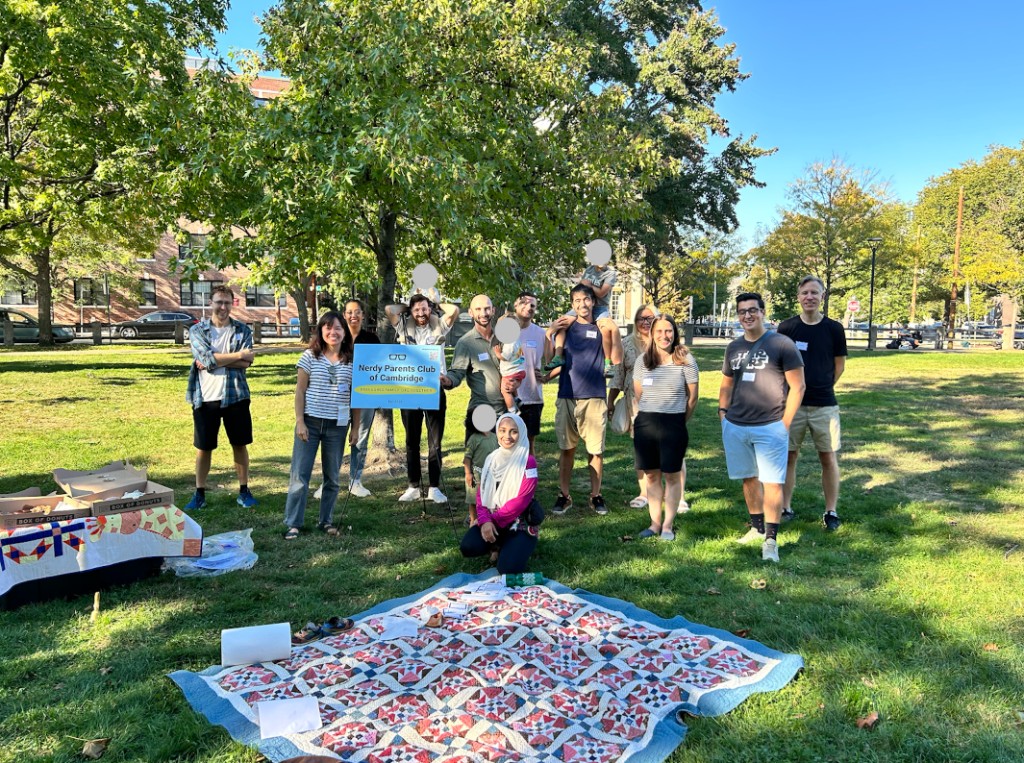
I remembered to take this group photo 96 minutes into the meetup, so a number of parents had left already at this point. (I'm so sorry 😢!) Kickoff meetup recap
That was so much fun! Thank you to all of you who made it on October 5! To those who missed it, don't worry, we will have many more.
After surviving the Northeaster by staying inside for 52 hours this past weekend, I am especially grateful for the gorgeous 75F weather at the meetup.
We had ~20 parents, 24 donuts, 1 picnic blanket, and up to 2.5 hrs of engaging discussions! The meetup was supposed to be just an hour, but the last group of parents stayed until 4:30 pm!
Here are some things I gathered from the conversations during the meetup:
- There is a strong consensus that the desired format for our next meetup is workshop (as opposed to unstructured coworking).
- The club's spirit is one of empowerment: We are getting away from solutions that don't fit. No one understands the nuances of our own problems better than we do, so we are well-positioned to build our own best solutions.
- Along those lines, let's recapture our SaaS subscription funds!
- The top two family solutions needed are related to meal planning and scheduling.
- We will look into creating a shared tech platform so we can avoid reinventing the wheel among ourselves. Micah and Neta are especially excited about taking the lead on this.
- There is a growing desire for data self-custody, e.g., by building a home server to protect family photos. Greg and Rob are actively working on this.
NPCC Member Directory
The Member Directory is now up and running! There, you can browse fellow nerdy parents, see what the projects are on their minds, and find interesting connections.
Once you complete your bio and upload a profile photo, you'll be able to access the Member Directory. Note that the system considers your bio complete only after you upload a profile photo.
As you browse the Member Directory, I welcome thoughts on how to make it more useful to you.
The directory is hidden from search engines. Your bios will not be used outside the club without your explicit permission first.
I built The Biographer + Member Directory with Cursor. The tech stack is: Next.js, Typescript, Tailwind CSS, Supabase (PostgreSQL), Claude API, and Gemini Nano Banana for the photo editor.
If you are uncomfortable uploading your photo at this point, please feel free to upload a placeholder photo.
What's next: Workshops and more
Julie and I are working to organize the next meetup, which will be a workshop on getting started with AI building, including how to choose among AI tools.
David has generously signed up to run it. David has taught game development courses at the Boston Public Library and coding classes at bootcamps, among others. Thank you David!
Details will be announced later, so stay tuned.
Other potential themes and formats for future meetups:
Solutions:
- meal planning
- scheduling and task tracking
- building a custom DAKboard (digital display) that perhaps could also yell at your kids for you
- building a home server
- developing games
Technologies:
- Model Context Protocol (MCP)
- Open source
Formats:
- Coworking + group playdate mashup
- Critique night (present your build process and have others point out optimization opportunities)
- More ideas are welcome!
Online communication
Next on my task list for the club is setting up an online communication tool so we can easily talk to each other.
There are several criteria: It has to already be in people's workflow (i.e., no app download), non-anonymous (so, Reddit is out), and it has to readily support separate parallel threads so everyone can freely start and follow a conversation topic.
Based on these criteria, Groups.io seems like a good option, especially since it's worked well for CPS parents. You will receive a Groups.io invitation soon.
Get notified about club events and projects.
Low volume. No spam. We don't share your information with anyone.
Join our listQuestions? Email us.
Join Our List
Get notified about club events and projects
Member Login
To receive your personal access link, enter the email you used to join NPCC below. Member bios are only visible once you’ve completed your own bio.